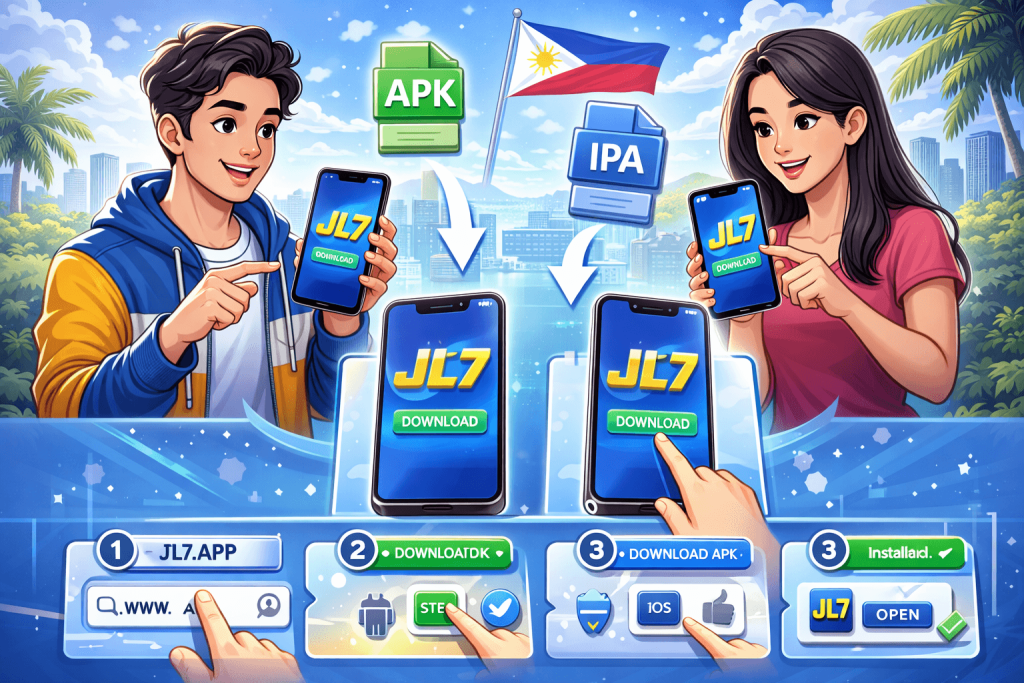
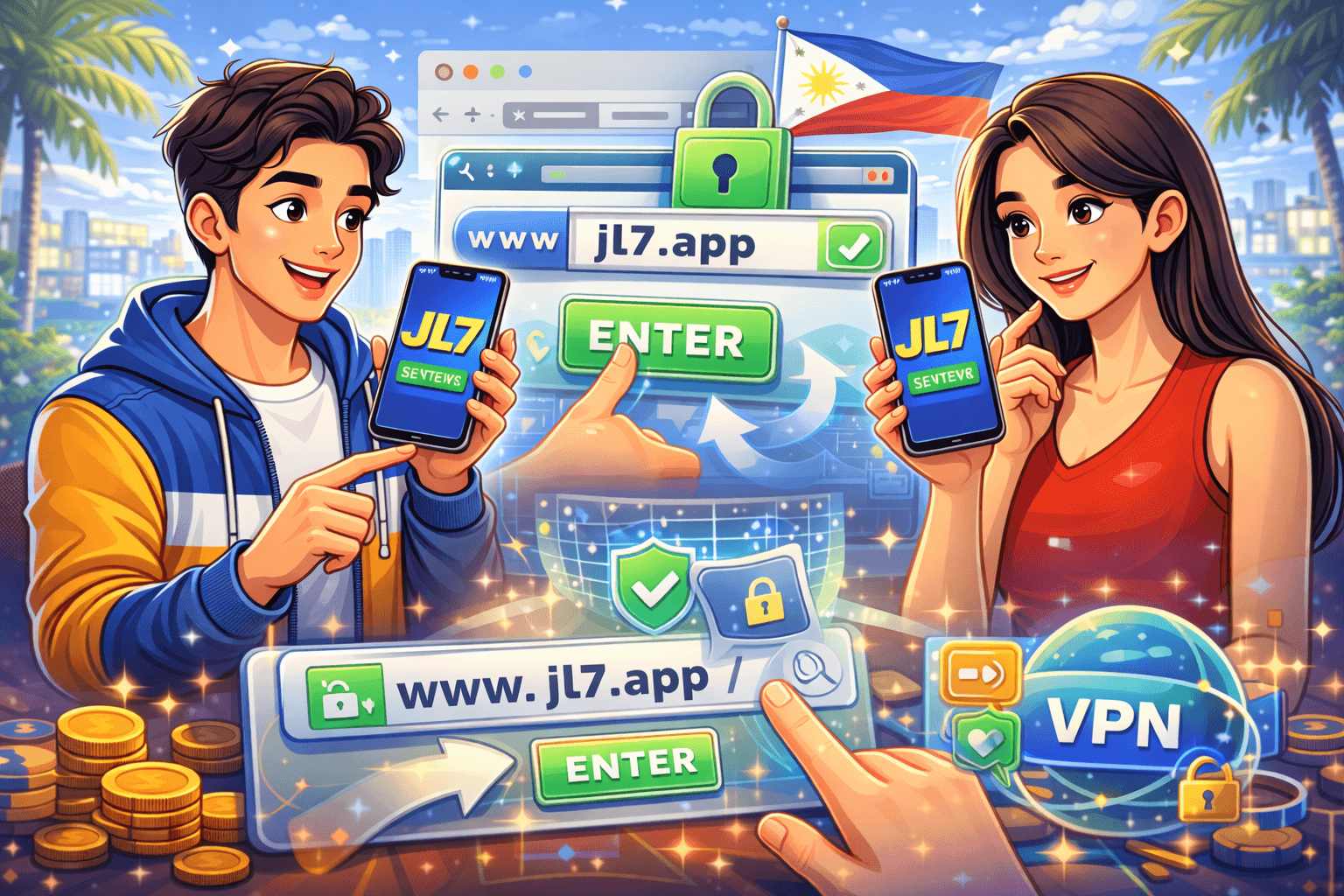
Access links are one of the most important and most misunderstood parts of using JL7, especially when relying on a JL7 access link for entry. Many users save old URLs, click random shared links, and then wonder why pages fail to load or look suspicious. In high-traffic periods, link confusion can lead to wasted time, login issues, and security risks.
This guide explains how Filipino users can access JL7 safely anytime, verify link legitimacy, and avoid phishing traps without needing technical expertise.
Why Access Link Confusion Happens
Most users assume one saved URL works forever. In reality, platform routing, traffic balancing, and domain updates mean a JL7 access link may change, requiring users to rely on current official links. If you depend only on old bookmarks or unverified social media posts, you may land on dead pages or imitation sites.
Common causes of access failure:
Knowing these causes helps you troubleshoot quickly and safely.
What a Safe JL7 Link Should Look Like
Before entering account details, check these indicators:
If a link feels off, stop and verify first.
Step-by-Step: Safe Access Routine
Use this routine every time, especially if you received a new link.
Step 1: Get link from trusted source
Use official announcements, verified channels, or support-confirmed sources.
Step 2: Open in updated browser
Outdated browsers can break secure redirects and scripts.
Step 3: Check URL carefully
Take five seconds to inspect the address before typing credentials.
Step 4: Test page behavior
If page reloads endlessly or asks for repeated OTP before login, close and verify again.
Step 5: Log in only after confidence check
Proceed only when the page and URL pass your checks.
This simple habit greatly lowers risk.
How to Handle Blocked or Slow Access
Sometimes a legit link is still slow due to network congestion or ISP routing. Try these practical fixes:
Do not jump to unknown mirrors just because one attempt is slow.
Access Safety on Mobile Devices
Most Philippine users rely on mobile access, so device hygiene matters.
Mobile safety checklist:
A secure device makes access links safer by default.
Bookmark Strategy That Actually Works
Saving bookmarks is useful, but do it correctly:
Many access issues come from users keeping multiple outdated saved links.
Phishing Red Flags You Should Know
Phishing pages are designed to look convincing. Watch for these warning signs:
Legitimate platforms do not pressure users with panic tactics.
What to Do If You Entered Details on Suspicious Link
Act quickly:
Fast action can reduce risk significantly.
Access Link Tips for Shared Households
In many homes, one device may be used by multiple people. If that applies to you:
Shared device convenience should not compromise account security.
Best Practices During Peak Traffic Hours
Peak hours can affect speed and stability. Improve access success by:
Preparation matters more than repeated retries.
Should You Use App Link or Browser Link?
Both are valid, but each has ideal use cases:
Use app access if:
Use browser access if:
Choose the method that supports both convenience and control.
Quick Recovery Plan for Access Failures
If you suddenly cannot enter JL7, use this sequence:
This prevents panic and avoids risky shortcuts.
Final Thoughts
Safe JL7 access is not about luck. It is about consistent habits: use official links, check URL carefully, keep your device updated, and act fast when anything looks suspicious. Most access problems are solvable in minutes when you follow a clear routine.
Save this guide and share it with friends who struggle with link confusion. The fastest way into JL7 should always be the safest way.
Quick FAQ
Links can change due to routing updates or expired paths. Reconfirm bookmark regularly.
Only if they match verified official sources. Always validate before login.
It is better to avoid public Wi-Fi for login and transactions.
Close the page immediately and use a verified official link.
Verify link authenticity and test your connection before trying other steps.